

One thing I have learned while studying digital marketing is that design is not just about making something pretty. It decides whether someone stays on a website for ten seconds or two minutes. Even small design choices shape how people feel about a brand, and most of the time, we do not even realise it.
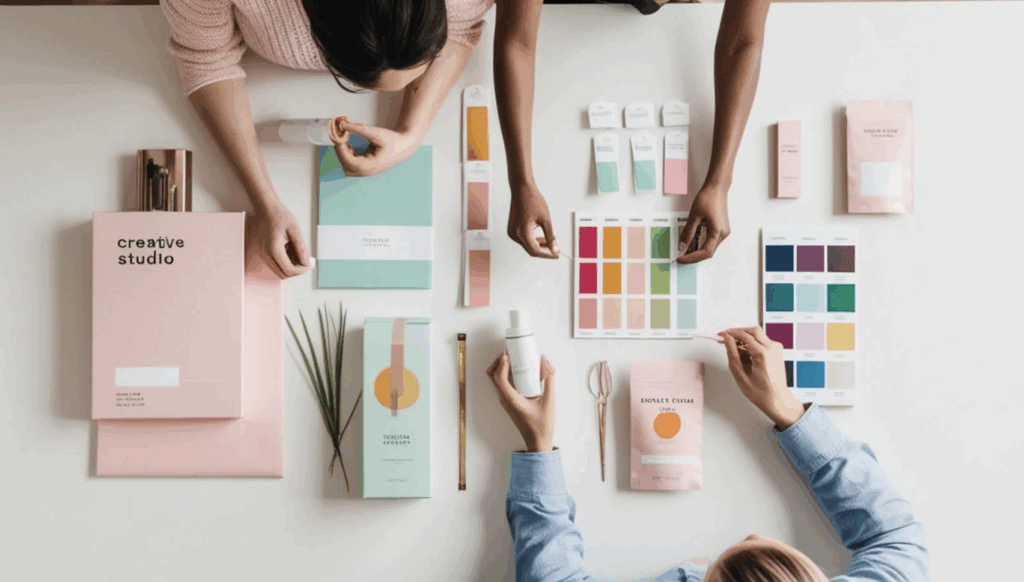
A clean layout builds trust. A strong colour palette creates emotion. Good spacing makes information easy to read. And visuals guide the eye through the page without us thinking about it. It is almost like design speaks a silent language that everyone understands.
To see how design affects behaviour, I made a simple table that breaks down the elements that influence how users react to a website.
Table: How Design Influences User Experience
| Design Element | Why It Matters | What It Improves |
| Colour Palette | Creates emotion and sets tone | Branding and first impressions |
| Typography | Makes content readable and consistent | Clarity and professionalism |
| White Space | Gives breathing room and reduces clutter | Comfort and focus |
| Visual Hierarchy | Guides user where to look next | Navigation and flow |
| Images and Graphics | Make content engaging and memorable | Retention and recall |
Here is a video that explains design in a clear, practical way. It breaks down why simple choices like spacing and layout make such a big difference.
I included it because it shows how good design does not rely on heavy effects or complicated visuals. It comes from intention, balance, and understanding how people react to what they see.
Design shapes the entire experience of a website, even when people do not notice it. When everything looks clean and feels easy to follow, users trust the brand more and stay longer. That is the direction I want to keep building toward in my own work.
Leave a Reply